

Image source: AutoHaina Media
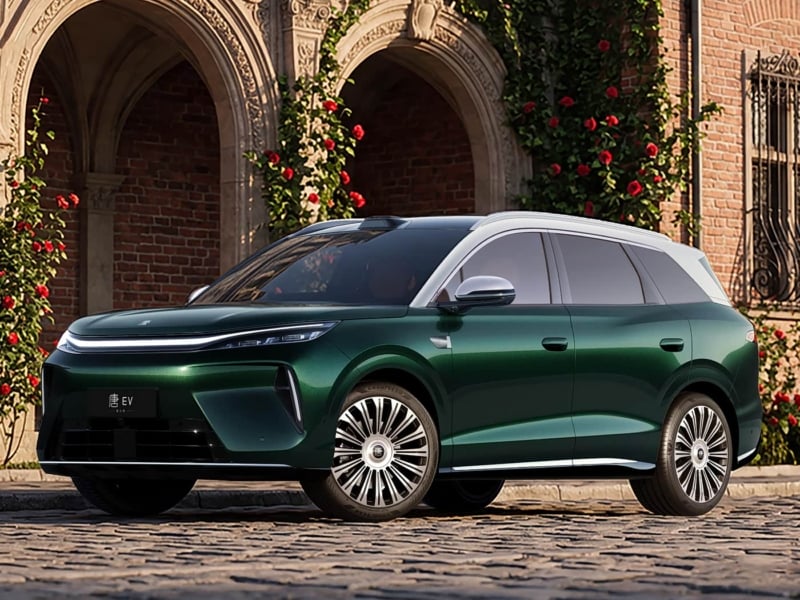
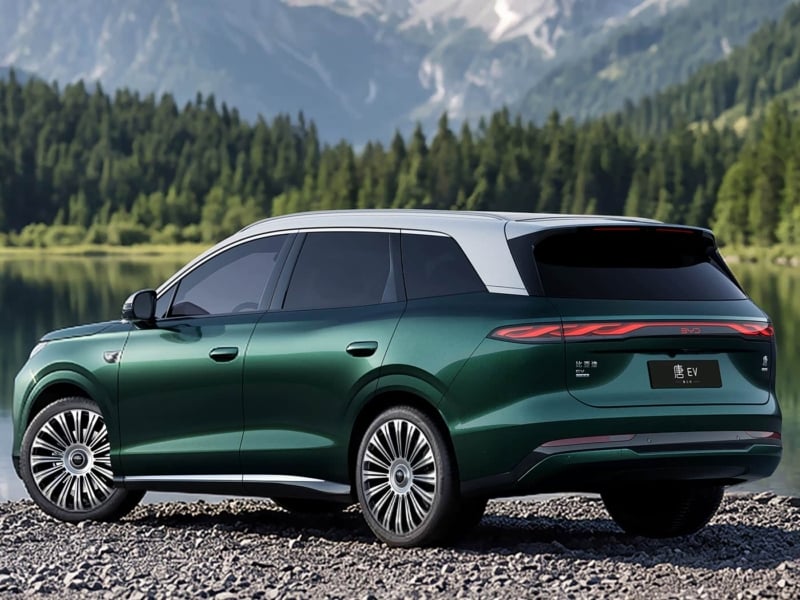
BYD has unveiled a modular widescreen interface, dubbed the “Giant Screen UI,” for its third-generation Tang EV ahead of the five-seat electric SUV’s planned Q4 2026 launch in China, according to Autohome. The Tang sits below the Tang L in BYD’s domestic lineup, while the larger Tang L is sold in export markets as the Atto 8 or Sealion 8.
Modular interface and dual-screen cockpit
The interface lets users combine, resize, and tile windows for navigation, media playback, and vehicle information. It also introduces an animated in-cabin AI companion named “Xiao Mianbao” (“Little Bread”), which uses visual and voice sensing to greet occupants, respond to prompts, and display changing expressions.
The software accompanies the dashboard architecture previously revealed for the third-generation Tang EV. The configuration shown pairs a 35.4-inch remote cowl display beneath the windshield base with a 30-inch panoramic touchscreen spanning the centre and passenger zones. The upper display shows driving metrics, vehicle status, and navigation, replacing the conventional instrument cluster and head-up display. Its fixed horizontal layout differs from the rotating central touchscreen used in some earlier BYD models.



Dimensions and rear-seat space
The Tang EV measures 5,045 mm long, 1,980 mm wide, and 1,760 mm high, with a 2,950 mm wheelbase. Compared with its predecessor, it is 145 mm longer, with a 130 mm longer wheelbase. The two-row cabin offers more than 1,000 mm of rear legroom, and the rear seatbacks recline by up to 130 degrees. The larger Da Tang, measuring about 5.2 meters long, provides a three-row alternative in BYD’s domestic lineup.
Battery, performance and chassis
The Tang EV uses BYD’s second-generation Blade Battery and supports Flash Charging. BYD claims charging from 10% to 70% takes approximately five minutes, while reaching 97% takes nine minutes at normal ambient temperatures. In extreme cold, the company says charging takes roughly three minutes longer. These figures have not been independently verified.
China’s Ministry of Industry and Information Technology (MIIT) filings list a rear permanent-magnet synchronous motor, model TZ205QYD, rated at 300 kW (402 hp), with a top speed of 250 km/h. The listed lithium iron phosphate (LFP) battery capacities are 88.682 kWh and 105.792 kWh. CLTC range ratings are 730 km (approximately 600 km WLTP), 830 km (approximately 680 km WLTP), and 850 km (approximately 700 km WLTP), depending on version and configuration.
Chassis equipment includes BYD’s DiSus-A suspension with dual-chamber air springs and road-surface preview. Roof-mounted LiDAR supports God’s Eye B driver assistance, including SAE Level 2 highway and urban navigation assistance. BYD has not announced pre-sale dates or retail prices.
Source: CarNewsChina (View original)